
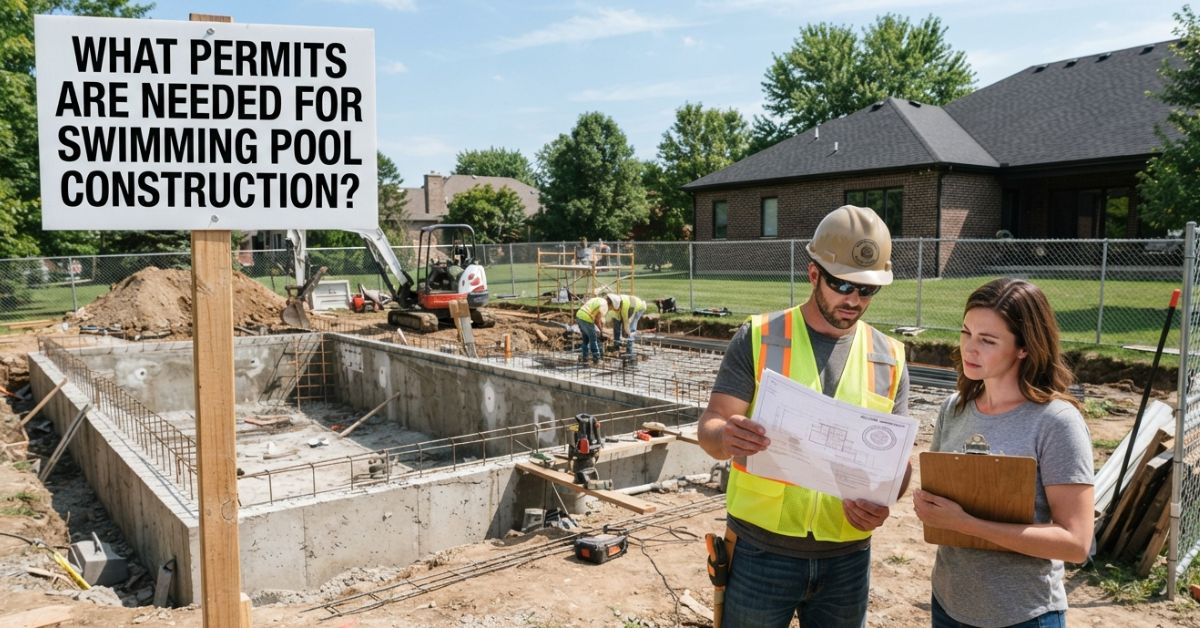
No one initiates a backyard job with the intent to deal with permission papers. This is until a township inspector appears or a neighbor mentions that some stop-work order has been placed, and suddenly obtaining permits becomes a very crucial step. Here’s the truth – building a swimming pool is one of the most highly regulated home projects a homeowner can deal with, which is why being prepared will help prevent unnecessary troubles in the future.
Why All This Paperwork Even Exists
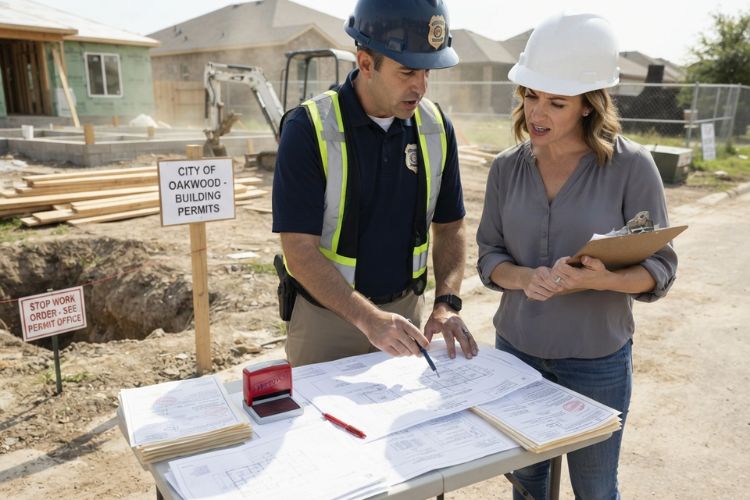
It’s easy to assume swimming pool permits are just bureaucratic hoops, but most of them exist for real reasons:
- Structural safety, so the pool doesn’t fail or shift over time
- Electrical safety, since pools and water plus wiring is a genuinely dangerous mix if done wrong
- Drainage, so your project doesn’t flood a neighbor’s yard
- Child safety, which is where most local codes get strict fast
Skip any of these, and you’re not just risking a fine. You’re risking someone getting hurt.
The Permits You’ll Actually Need
Requirements shift by municipality, but most swimming pool construction projects require some combination of pool construction permits covering these categories:
- A building permit for the pool structure itself
- An electrical permit covering pumps, heaters, and lighting
- A plumbing permit for the water lines and drainage
- A fence or barrier permit, since almost every township mandates one
- Zoning approval confirming setbacks from property lines and structures
- An engineering report if your soil or slope needs it
Missing even one of these can stall the whole project, sometimes for weeks, while paperwork gets sorted out after the fact.
Pool Safety Regulations Nobody Skips
This is the category townships take most seriously, and for good reason. Typical pool safety regulations cover:
- Fence height, usually a minimum of four feet, sometimes higher
- Self-closing, self-latching gates that swing away from the pool
- Alarms on doors leading directly from the house to the pool area
- No gaps or footholds a small child could climb
These rules aren’t optional add-ons. Most townships won’t sign off on final inspection until every one is met.
What the Pool Permit Process Actually Looks Like
Here’s roughly how it plays out, start to finish. Plans get submitted, including engineering drawings and a site plot plan. The township reviews everything against local code, which can take anywhere from a couple of weeks to over a month depending on how busy the office is. Once approved, permits get issued, and inspections happen at key construction milestones, usually after excavation, after plumbing and electrical rough-in, and again before backfill. A final inspection wraps things up once the fence and barriers are in place.
Who Actually Files All This, You or the Builder?
In theory, either party can file for a permit. However, in practice, it is more suitable to have your builder responsible for this step. A pool construction company in Allentown has to obtain permits every day and is well aware of various municipal authorities’ preferences, which helps avoid a lot of unnecessary delays. Homeowners who file for permits on their own often face a lot of problems they could have avoided if they had decided to hire experienced specialists.
Why Applications Get Delayed or Rejected
A few patterns show up again and again and slow down the pool permit process:
- Incomplete plot plans missing setback measurements
- Fence plans that don’t meet minimum height or gate requirements
- Missing engineering signatures on soil or drainage reports
- Electrical plans that don’t match final equipment specs
Most of these are avoidable with someone who’s filed dozens of these before and knows exactly what reviewers are checking for.
What Happens If You Just Skip It?
Some homeowners consider building without pool construction permits to save time. It rarely works out. Unpermitted pools can trigger stop-work orders mid-project, fines that stack up daily, and serious complications when you eventually try to sell the house, since an unpermitted structure can hold up a real estate closing entirely. Insurance can also get complicated, since some policies won’t cover an unpermitted structure if something goes wrong.
Finding a Builder Who Handles the Whole Mess
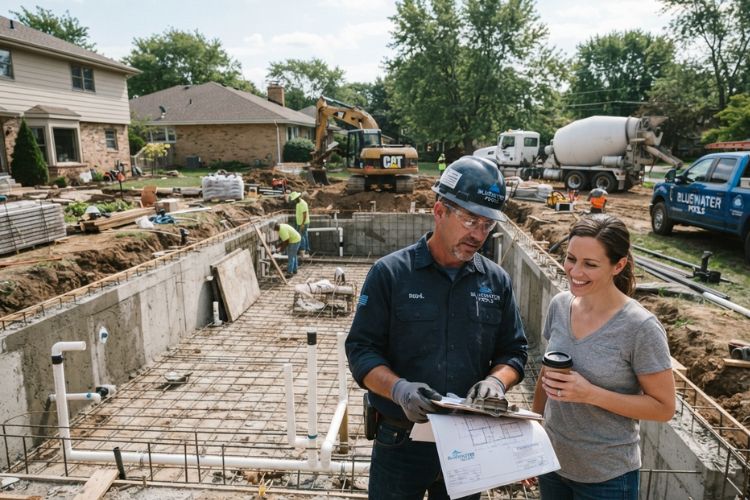
Not all builders approach permitting in the same manner. Some just give you the necessary paperwork and send you on your way. Experienced custom pool builders conduct the full process as part of their comprehensive services, communicating with the relevant authorities to submit the plans, work together with engineers, and oversee inspections without you having to contact the city department.
This difference makes it worth asking this question before you sign the contract.
Frequently Asked Questions
How long do swimming pool permits usually take to get approved?
The approval timeline can vary based on the township; anticipate two to six weeks on average. However, in busy areas and sites with complexity, this timeline can be extended; hence, it’s prudent to schedule the swimming pool permit application bearing in mind the summer opening date.
Do above-ground pools need permits too?
Generally speaking, yes, particularly if the pool is deeper than 24 inches. Since codes differ significantly from place to place, checking the requirements is advisable before concluding that a small pool is exempt.
Can I start digging before permits are approved?
Never. Excavation without permits is one of the quickest ways to obtain a stop-work order, which can be much more time-consuming than just waiting.
Who’s responsible if a permit gets rejected, the contractor or me?
That depends on what caused the rejection. A reputable builder handling your pool construction permits should catch most issues before submission as part of a smooth pool permit process, but it’s worth clarifying who covers resubmission costs before signing anything.
Ready to Skip the Paperwork Headache?
The right partner turns permits from a stressful unknown into a background task you barely think about. If you’re planning swimming pool construction and want someone who already knows local pool safety regulations inside and out, that’s the conversation worth having first.